HOW IT WORKS
Air or argon in between
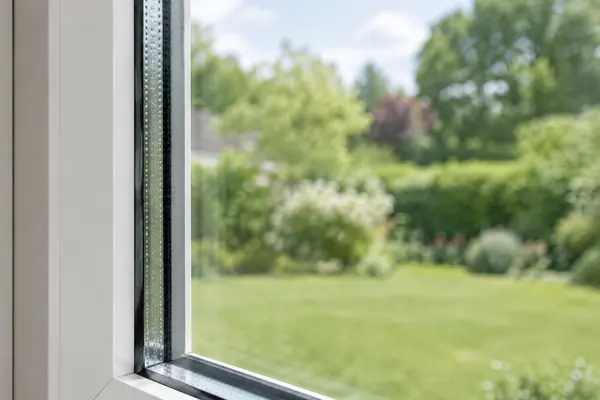
A spacer bar holds two panes apart and the gap is filled with air or an inert gas like argon, which insulates even better. Low-E glass adds a coating that reflects heat back in.
Inside the unit doodledouble
Start
WHAT THE ENERGY ADVICE SAYS
The clever part of double glazing is the space in between.
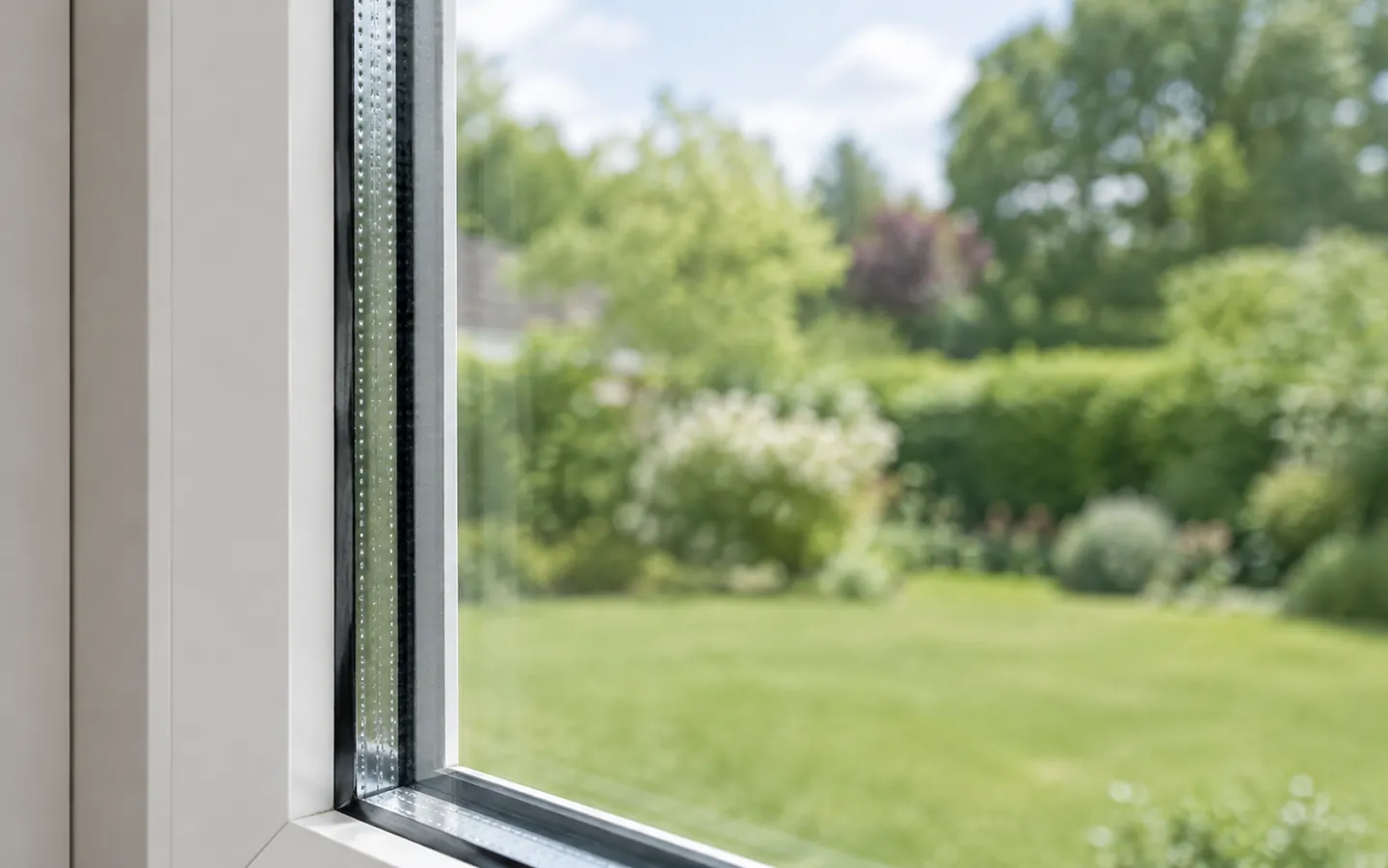
Two sheets of glass, a sealed gap of air or argon and a thin coating that reflects heat back indoors. Here is how it works, what the droplets on your windows are telling you, and why a tight window still needs fresh air.
SEALED GAPwarmer side of the glass
Read your windowKeep in mind
THE SHORT ANSWER
Energy Saving Trust advice comes back to three things:
the sealed gap, the coating and the ventilation.
HOW IT WORKS
A spacer bar holds two panes apart and the gap is filled with air or an inert gas like argon, which insulates even better. Low-E glass adds a coating that reflects heat back in.
Inside the unitCONDENSATION
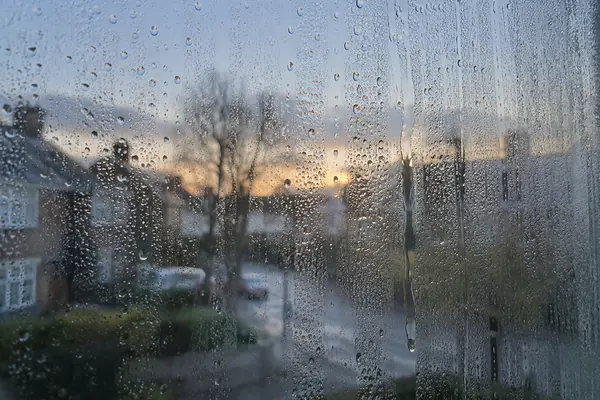
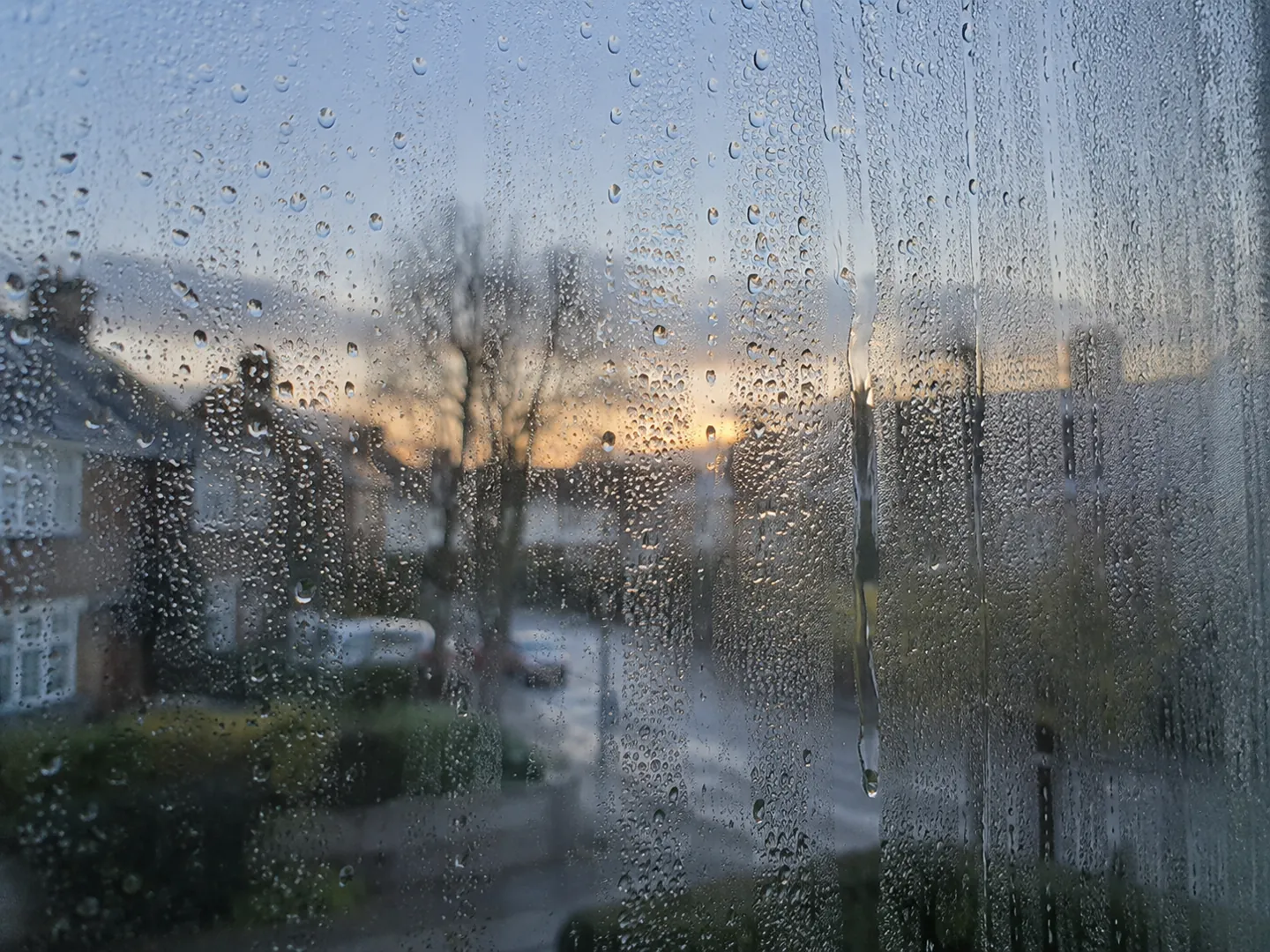
Outside the glass is a sign of an efficient window. Between the panes means the unit is letting air in. Inside and building up can point to damp.
Read your windowFRESH AIR
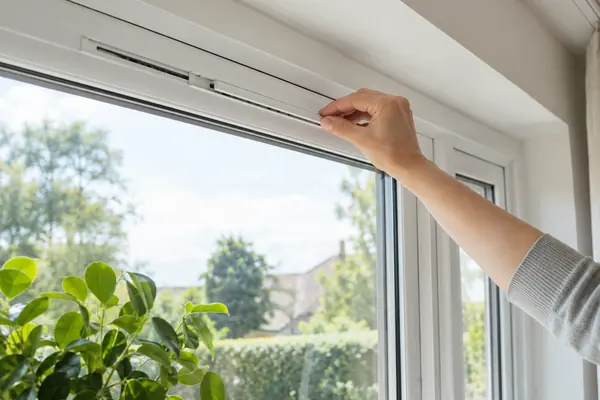
Modern windows are more airtight, so replacements usually have trickle vents. The Energy Saving Trust says to keep them open.
Keep it dryA QUICK WINDOW CHECK
Pick where you see droplets to find out what the Energy Saving Trust says it means. The bar shows how much attention it needs.
Based on Energy Saving Trust advice on energy efficient windows and on fixing damp and condensation. This is general information, not a survey of your home.
TWO NUMBERS WORTH KNOWING
One figure on how long double glazing lasts,
one on what it can save over single glazing.
20–35 years
How long good double glazing lasts
High-quality, well-installed and well-maintained double glazing can last 20 to 35 years, and even longer with regular cleaning and checks on seals and gaskets.
LIFESPAN · ENERGY SAVING TRUST
£85 a year
Yearly saving, single to A-rated double glazing
Fitting A-rated double glazing throughout a single-glazed semi-detached home can save about £85 a year in Great Britain and £140 in Northern Ireland.
BILLS · ENERGY SAVING TRUST
The same upgrade cuts CO2 by about 290kg a year in Great Britain and 550kg in Northern Ireland, according to the Energy Saving Trust. Savings depend on the home and on energy prices.
FOUR HABITS TO TRY
Better windows keep heat in, and moisture too. These habits from Energy Saving Trust advice keep the glass clear and the walls dry.
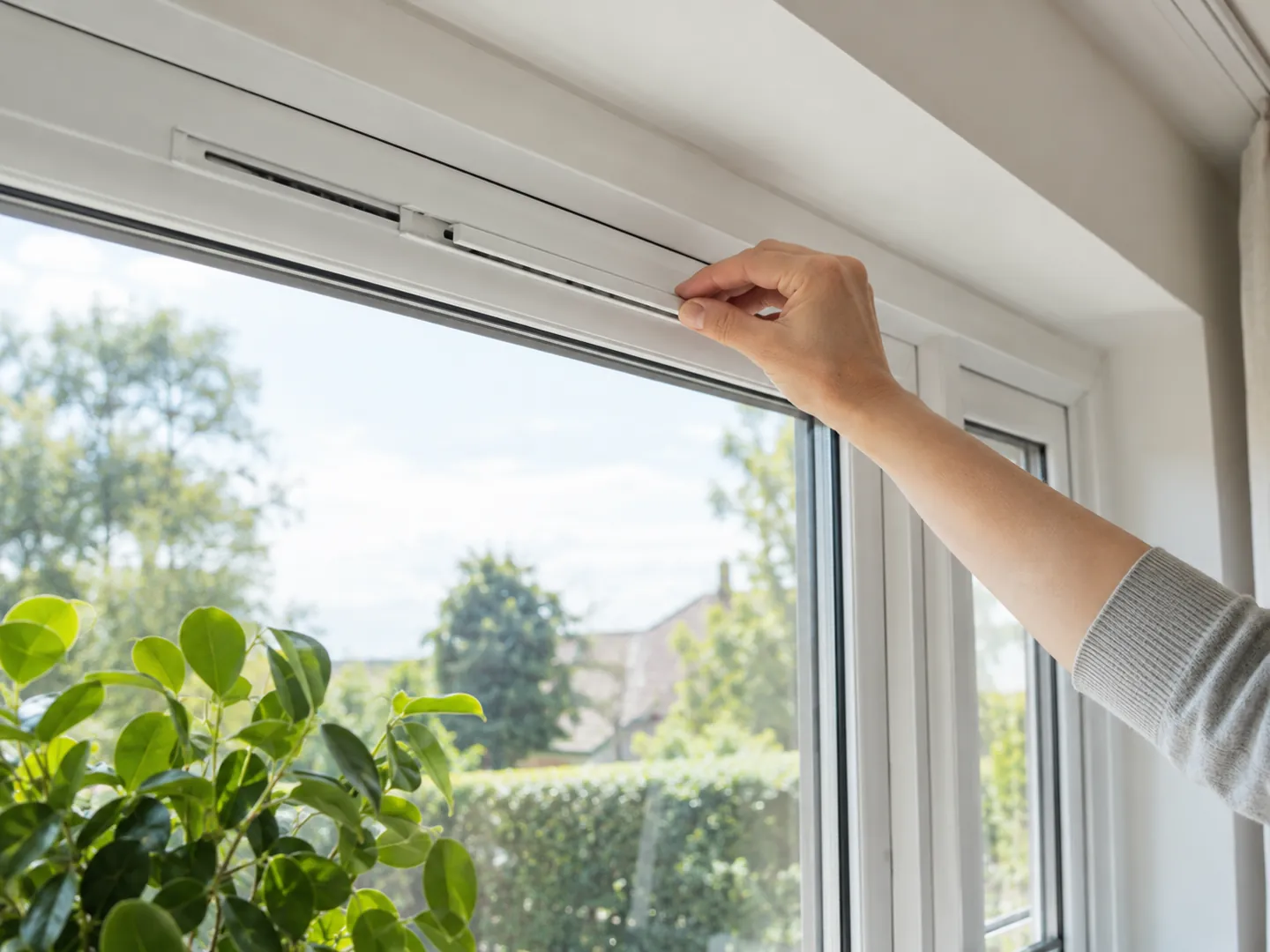
Step 1
Keep them open all the time and clear of obstructions, so a small, controlled amount of fresh air gets in.
Step 2
Open windows several times a day for at least five minutes, longer if you can.
Step 3
Let bathroom and cooker extractors run for at least 15 minutes after a shower or cooking.
Step 4
After a shower, wipe windows and walls with a squeegee or towel, and put lids on pans when cooking.
INSIDE THE SEALED UNIT
The most efficient glass for double and triple glazing is low-emissivity glass, with a thin metal oxide coating on an inner surface that reflects heat back in but still lets light through. More efficient windows generally use spacers with little or no metal, known as warm edge spacers.
Windows are rated from A++ to E for heat loss, draughts and solar gain, which the Energy Saving Trust says is a better guide than the U-value alone. GOV.UK guidance notes that replacing windows is controlled work under the Building Regulations.
Questions
The Energy Saving Trust says outside condensation isn't a problem. It is a sign the windows are very efficient, it clears quickly and won't lead to damp.
It likely means the sealed unit is letting air in, which reduces its effectiveness. The Energy Saving Trust says the glazed panes can be replaced rather than the whole window.
The Energy Saving Trust says the gap is filled with air or an inert gas such as argon, which is even more insulating than air.
It is around 20% more expensive than double glazing, says the Energy Saving Trust, but the extra energy, sound and security benefits can help in particularly cold or noisy places.
You need permission to change windows in a listed building. The Energy Saving Trust suggests secondary glazing, shutters, heavy lined curtains or sealed blinds as less intrusive options, and checking with your council.
Destination
ABOUT THIS NAME
doodledouble.com is part of the DoodleSale portfolio. It isn't in an auction right now, but you can ask about leasing it.